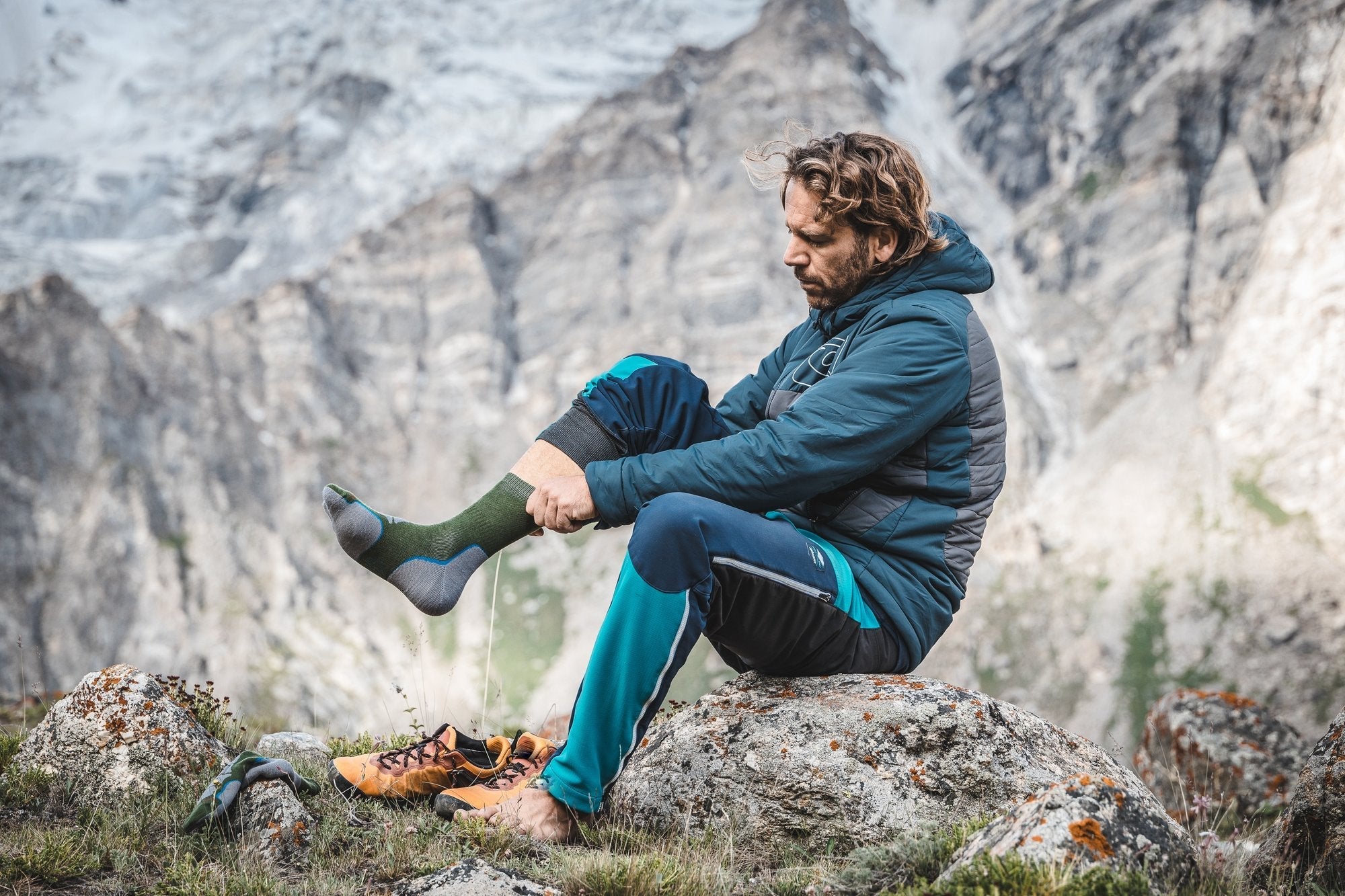
Most wool socks on the market are not 100% wool, because a sock is usually knitted from several yarns, not a single pure-wool thread from cuff to toe. At ZEALWOOD, we knit a wool main yarn with an elastane ground yarn and reinforce the heel and toe with nylon.
First, keep two kinds of composition apart
Yarn composition is what one yarn is made of — the main yarn can be 100% merino wool. Whole-sock composition is what the finished pair is made of once the main yarn, the ground yarn, the cuff elastic, and the heel-and-toe reinforcement are all counted. They are not the same thing.
Why most socks are blended
Wool has a natural spring, but it does not stretch and recover the way elastane does. Without an elastic yarn, many socks loosen and slide down.
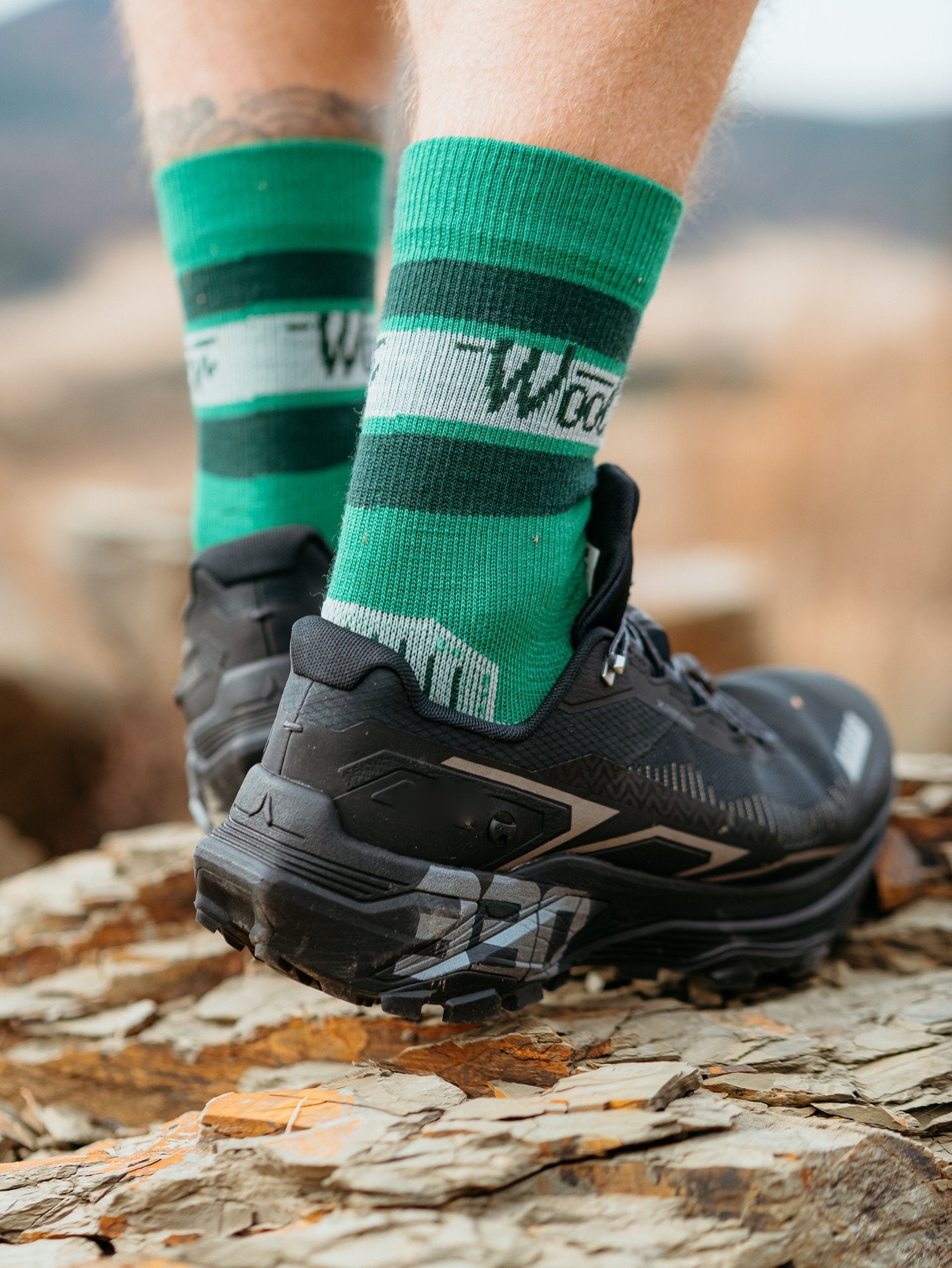
Inside the shoe, the heel and toe take the most friction and wear through first. Nylon is abrasion-resistant, so many socks add nylon there.
In a blend, wool takes care of next-to-skin comfort, warmth, and moisture management, while nylon adds strength and abrasion resistance. Untreated wool can also felt and shrink.
Socks are often knitted with a plating method, feeding the main yarn and the ground yarn together, with the elastic yarn behind the main yarn. So blending is not a shortcut — it is how most socks balance fit, durability, and the comfort of wool.
What the wool percentage on the label actually means
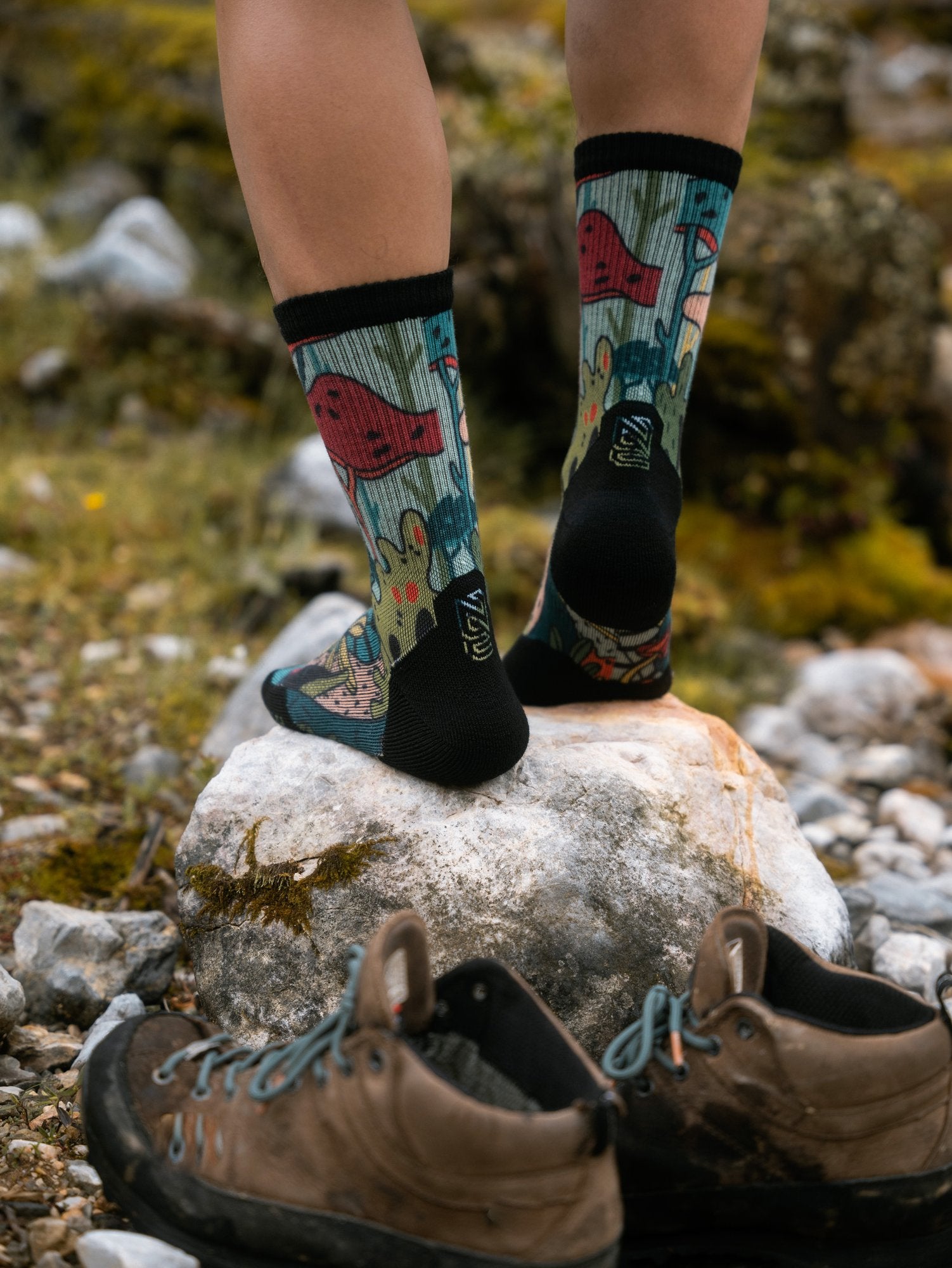
The wool percentage on the label is the total of every yarn in the finished pair — it does not mean the merino yarn was watered down. A label can list merino wool plus nylon and elastane, and the main yarn itself can still be 100% merino wool.
Thin socks and running socks often show a lower wool percentage: the sock is thinner, there is less wool overall, and the ground and reinforcement yarns take a larger share of the weight.
On the same pair, a sole figure and a whole-sock figure can both be right, but they measure different things and should not be compared. When you see a wool percentage, first check whether it refers to the whole sock or one area.
How ZEALWOOD builds a merino sock
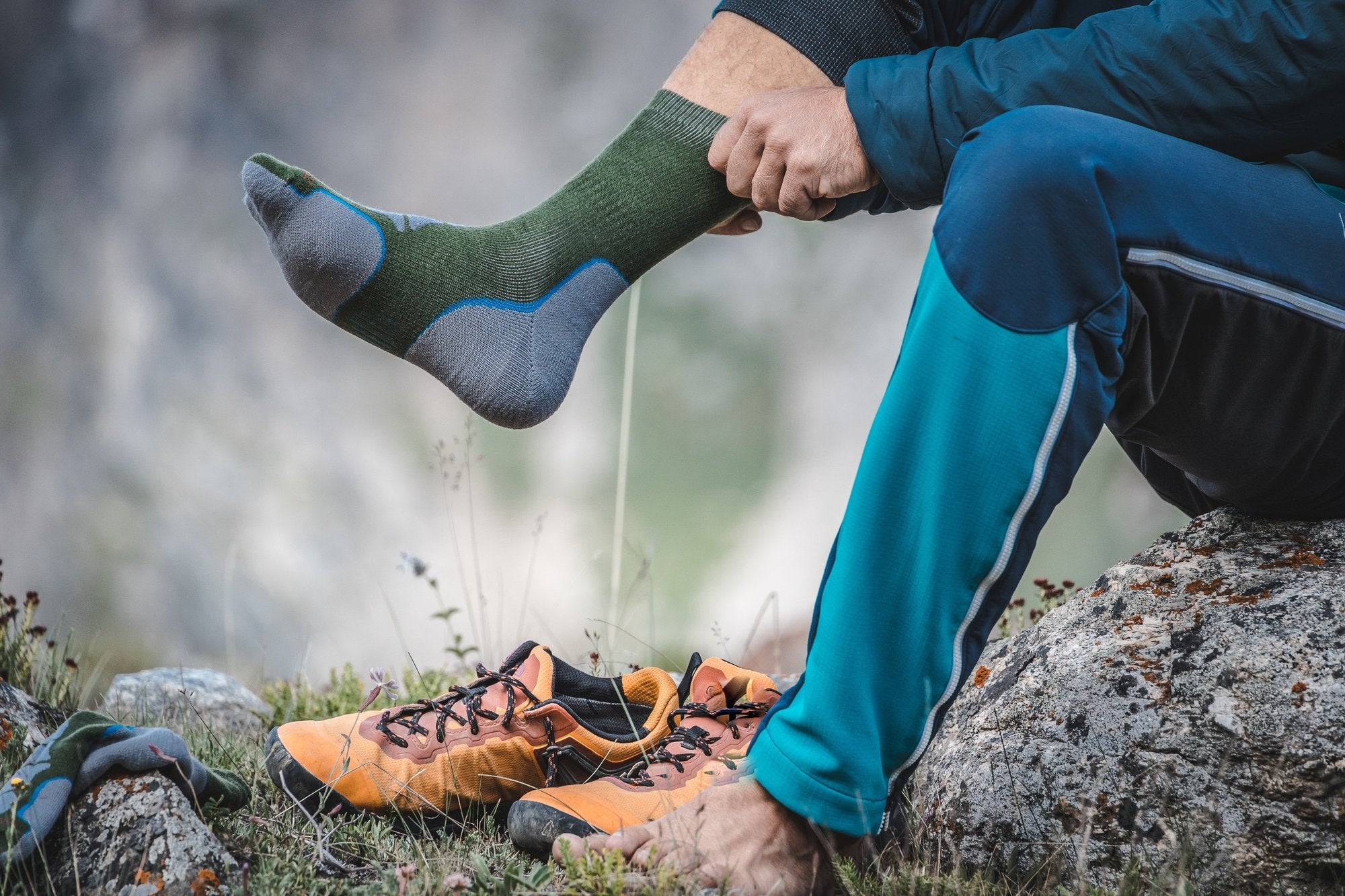
This is our approach — other brands build socks differently. A ZEALWOOD sock is built from several yarns, each with its own job:
- Main yarn — wool. The yarn you see and feel on the face of the sock.
- Ground yarn — elastane for stretch. Plated behind the main yarn so the sock stretches on and recovers.
- Cuff — elastane elastic. Helps the top of the sock stay in place.
- Heel and toe — wool main yarn, reinforced with nylon. We do this on every ZEALWOOD sock, including our R series and PATTERN TRAINING.
Apart from the R series and PATTERN TRAINING, every series uses a 100% wool main yarn. The finished pair still contains the ground yarn, cuff elastic, and heel-and-toe nylon, so we only say “100% wool main yarn,” and whole-sock composition follows the label.
Even with a 100% wool main yarn, whole-sock wool percentages still differ, mainly with thickness, whether there is terry, and the ground-yarn specification — that does not mean the main yarn was diluted. Exact whole-sock blends live on each product page; this post stays light on yarn math.
Same heel and toe, different body: R series and PATTERN TRAINING
The R series and PATTERN TRAINING use the same heel and toe as our other socks, and the R series also uses merino wool in the sole. The difference is the body, which uses other fibers for hold:
- R series (trail running): the older version has a polypropylene body; the newer version has a recycled nylon body.
- PATTERN TRAINING: the body is recycled polyester ocean yarn.
Because the body is most of the sock, the whole-sock wool percentage is naturally lower. That does not mean a lesser sock — it puts each fiber where it works best.
Choose by the activity, not by chasing a wool percentage
- Hiking and trekking: Travel MD
- Winter and snowy mountains: Thule Pro or ALPINE II
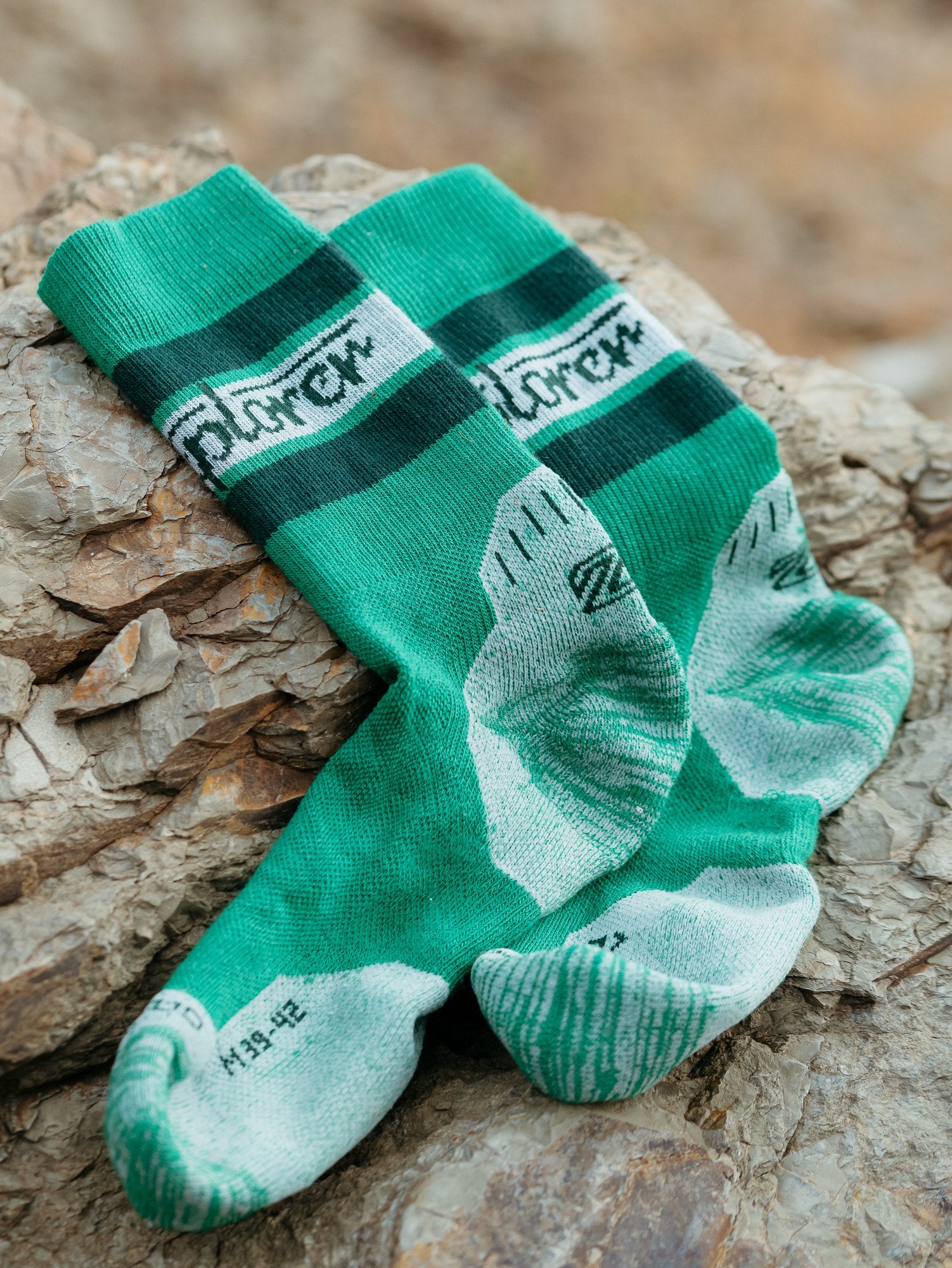
- Trail running: R1, R2, R3, or Trail Run Pattern
- Skiing and snowboarding: SKI PATTERN I, SKI PATTERN II, or S1 SKI 2
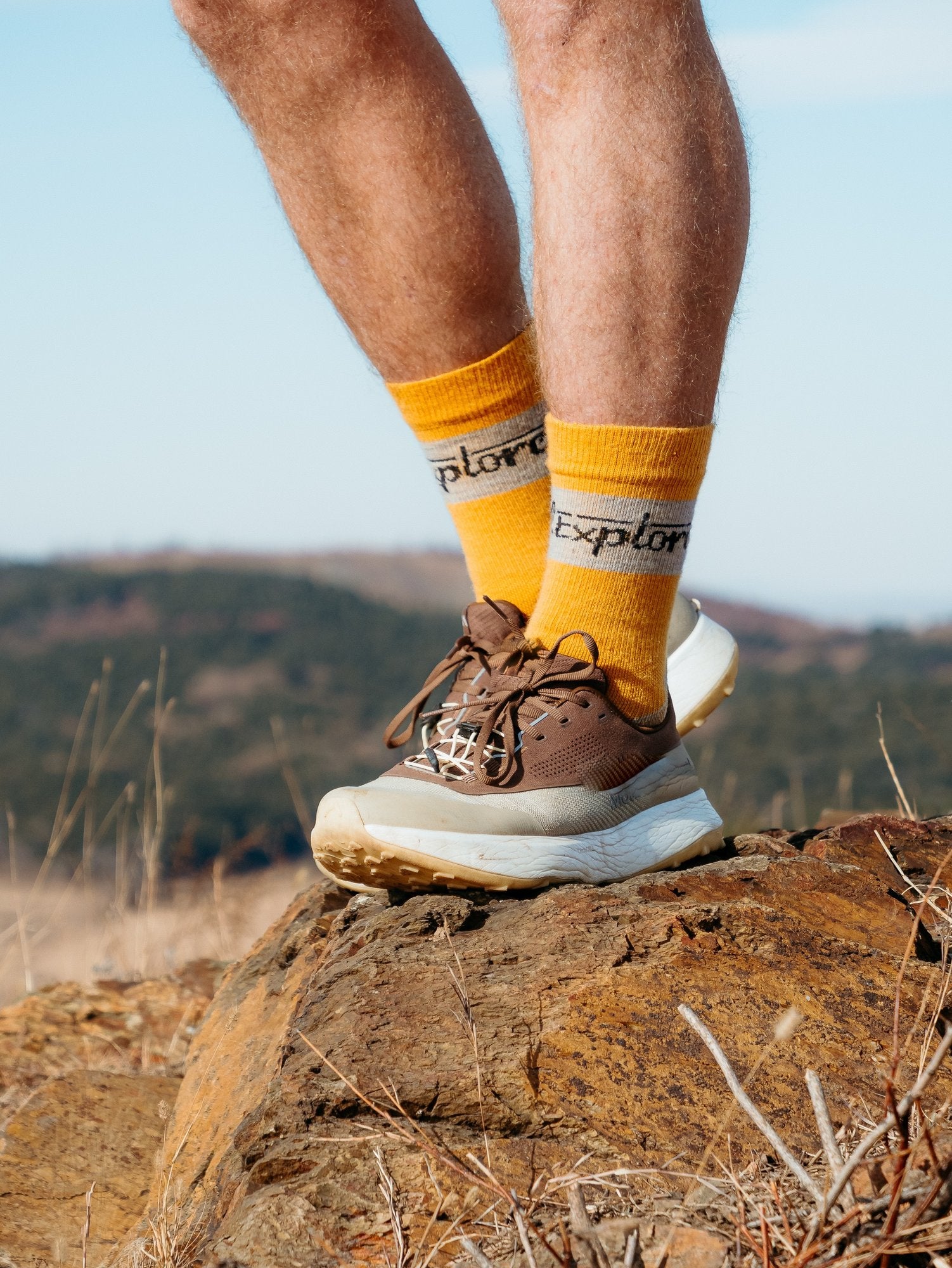
- Everyday: Lifestyle crew — light, comfortable, and good in every season. There is also an ankle height.
For a long trip, pack two or three pairs and rotate them — the habit behind our Two-Sock Rule still helps when the first pair is damp at dinner.
How to care for merino socks
Our merino wool is shrink-resist treated before knitting, so most socks can be machine-washed and tumble-dried on low heat — always follow each pair’s care label. A few habits help them last:
- Air before you wash. Wool often just needs airing out between wears.
- Pick a wool or gentle cycle when you do wash.
- Keep them out of strong direct sun while drying.
- No tumble-dry symbol on the label? Dry flat, away from radiators and heaters.
Bottom line
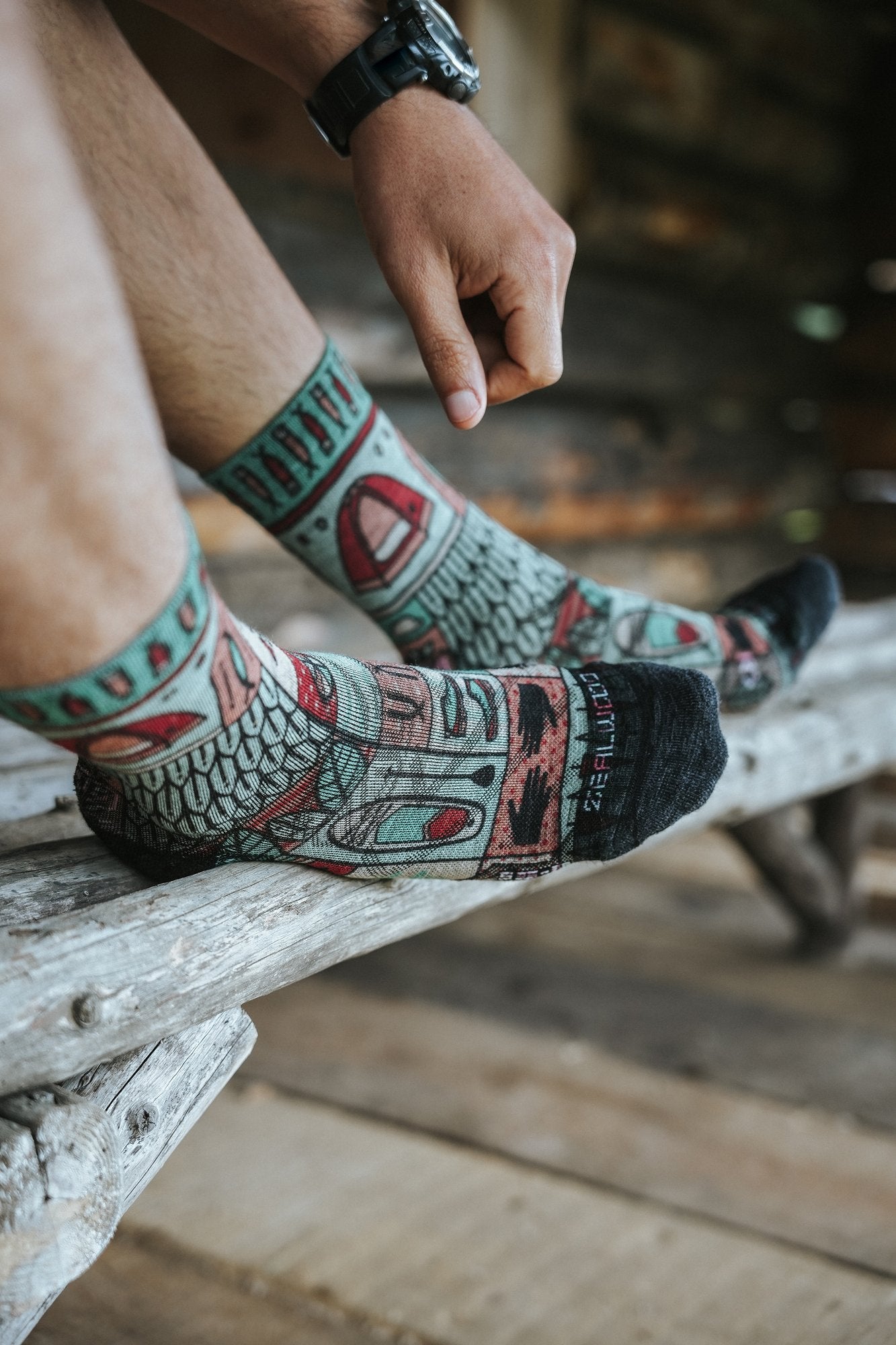
Most wool socks aren’t 100% wool because most socks are a team of yarns: wool for comfort and moisture management, elastane for fit, nylon where the wear happens. At ZEALWOOD, every series except R series and PATTERN TRAINING starts from a 100% wool main yarn, with a stretch ground yarn and nylon-reinforced heel and toe. Read the whole-sock label, check whether a percentage means the whole sock or one zone, and choose for the trip ahead.
Now you know how a wool sock is built — pick the one for your trip: Hiking & Skiing socks / Trail Running socks
ZEALWOOD · Wool Explorer · Wear Nature, Go Further.
发表回复